- TOPLEY'S TOP 10
- Posts
- SMARTER IN 10
SMARTER IN 10
Crypto Assets Lose $1.7 Trillion in Value Since October

?
1. Crypto Assets Lose $1.7 Trillion in Value Since October

Bloomberg
?
2. AI Productivity Boost Just Kicking in for Companies??? - Prof G Letter

Prof G Media
…
3. Space X IPO $1.5T

ChartR
…
4. Greenland 1.5m Metric Tons of Rare Earths

Visual Capitalist
…
5. Only 10% of Chinese Exports Go to U.S. -Torsten Slok

Apollo Academy
…
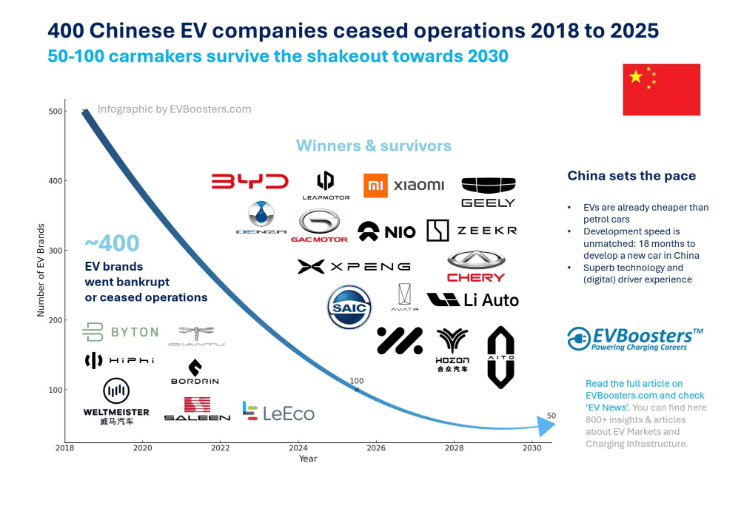
6. 400 Chinese EV Companies Went Under 2018-2025….100 Still Operating in Price War
EVBoosters
?
7. Average Chinese Rural Pension $25-$30 a Month

Perplexity.ai
?
8. Home Sellers Outnumber Buyers Nationally

Barchart
Office CMBS Delinquency New Highs on Two NYC Manhattan Towers

Wolf Street
…»>
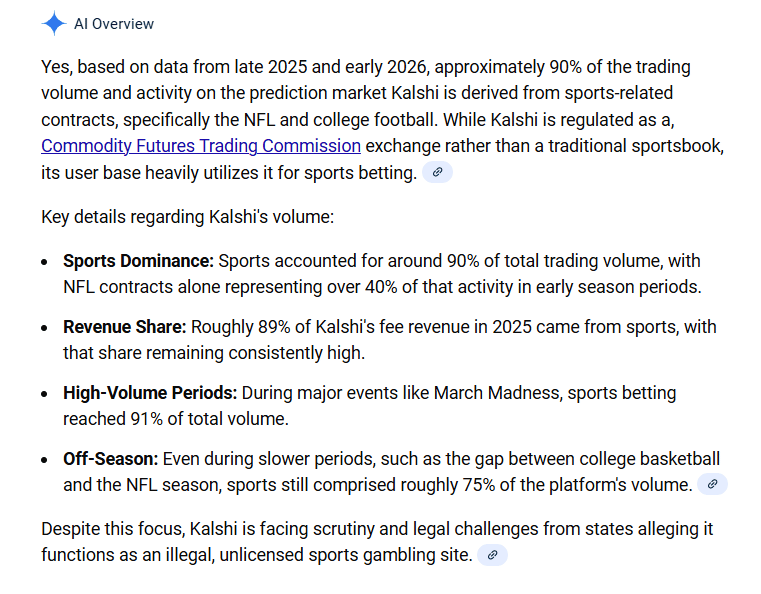
9. Kalshi Betting 90% Sports
Perplexity.ai
»>…
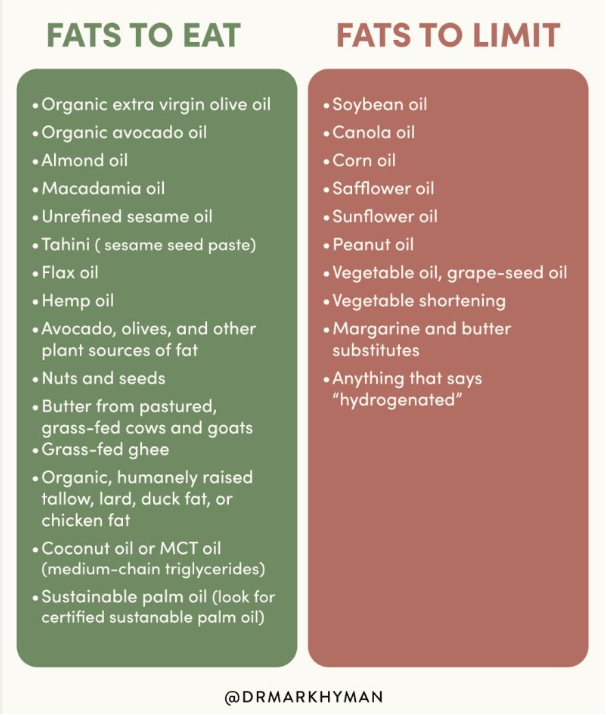
10. Good Fats vs. Bad Fats -Dr. Hyman
Dr. Mark Hyman
Why your brain needs everyday rituals -The Big Think
Rituals serve psychological functions that go far beyond mere habit or tradition.
Key Takeaways
Rituals — repeated, meaningful routines — give the brain structure when life feels uncertain.
Their predictability can calm stress, reduce mental load, and improve social interactions.
You can design small, personal rituals to actively program your brain for resilience, clarity, and connection.
A few years ago, during a particularly chaotic period at work, I started making my morning coffee the exact same way every day: same mug, same timing, same two minutes of silence while it brewed.
It wasn’t intentional; I was just too overwhelmed to think about it. But something interesting happened: Those two minutes became the calmest part of my day. Even when everything else felt out of control, I had this one predictable moment that somehow made the rest manageable.
I had just experienced the power of rituals completely by accident, and it wasn’t until I left tech to study neuroscience that I understood why that simple coffee routine had been so effective.
Rituals are some of the most powerful technologies invented by humankind.
Most people think of rituals as elaborate religious ceremonies or ancient traditions. But your life is actually filled with them.
Waiting for everyone to be served before eating, giving presents for birthdays and holidays, saying “hello” and exchanging scripted pleasantries, clapping at the end of a performance — all of these are rituals woven throughout our days.
Since the dawn of time, humans have used rituals to acknowledge one another, signal belonging, mark beginnings and endings, and more.
In fact, I believe rituals are some of the most powerful technologies invented by humankind. Think of them as repetitive, patterned, often culturally transmitted “software” that serves psychological functions that go far beyond mere habit or tradition.
The psychology and neuroscience of rituals
When people face stress, danger, or major life changes, rituals provide a sense of stability through structured actions. Having something concrete to do when everything appears uncertain reduces anxiety and feelings of helplessness.
This sense of agency extends to rituals’ broader social function: Shared routines make cooperation easier in times of stress. When a team huddles before a game, the action signals membership and commitment to the group.
Rituals also help us make sense of life’s most challenging moments. They mark transitions — such as birth, puberty, marriage, and death — and help us navigate events that feel overwhelming. They also support us as we forge a new identity through rites of passage. That’s why graduation ceremonies don’t just celebrate achievement; they help transform a person’s identity from “student” to “graduate.”
Lastly, rituals transmit culture across generations. Children learn gratitude from family dinner traditions, not from lectures about being thankful. Repeatedly doing something together works better than just talking about it.
Rituals are like a software upgrade for your nervous system. They affect your brain and body in three specific ways:
Calm. Rituals help quiet the brain’s threat-detection system, especially the amygdala. When that system calms down, we feel more grounded. This is one reason repeating familiar sequences of actions helps during chaotic transitions.
Clarity. Predictable steps activate parts of the prefrontal cortex involved in planning, which reduces mental load as your brain doesn’t have to constantly decide what comes next. This makes challenging tasks feel more manageable, especially under stress.
Connection. When people move or speak in sync, the brain releases bonding chemicals, such as oxytocin and endogenous opioids. These make social interactions feel warmer and more trusting. That’s why shared rituals create a sense of “us.”
Most rituals are inherited from the culture around us — we simply adopt what we see others doing. But here’s the part I find most exciting: You don’t have to copy-paste rituals from others. You can consciously design rituals that serve your specific needs.
How to design your own rituals
Creating personal rituals that serve your specific needs only takes a bit of observation, experimentation, and reflection.
Start with observation. Notice the moments in your day when you feel scattered, stressed, or disconnected. These transition points are perfect opportunities for designing a new ritual.
Next, experiment. Pick one specific moment in your day and try a simple ritual. Maybe it’s making your morning coffee the same way each day, arranging your desk before work, or taking three deep breaths before important meetings. The key is choosing something small enough to stick with yet meaningful enough to feel intentional.
Finally, reflect and adjust. After a week or two, ask yourself: Does this ritual actually help? Does it feel natural or forced? Pretend to be a scientist and answer these questions from a place of curiosity. Tweak as needed.
The most effective personal rituals are simple enough to remember, specific enough to feel meaningful, and flexible enough to adapt to different circumstances. Start small with one daily ritual, then gradually expand your toolkit.
These repeated patterns of action will help you actively program your brain for resilience, clarity, and connection. Use them before exams, competitions, or challenging conversations. Keep experimenting and adapting them as you and your circumstances change.
Your brain is already wired to respond to rituals — you just need to give it the right patterns to follow.
»>…
Did someone forward this email to you? Get your own:
Disclosure
Indices that may be included herein are unmanaged indices and one cannot directly invest in an index. Index returns do not reflect the impact of any management fees, transaction costs or expenses. The index information included herein is for illustrative purposes only.
Material for market review represents an assessment of the market environment at a specific point in time and is not intended to be a forecast of future events, or a guarantee of future results.
Material compiled by Lansing Street Advisors is based on publicly available data at the time of compilation. Lansing Street Advisors makes no warranties or representation of any kind relating to the accuracy, completeness or timeliness of the data and shall not have liability for any damages of any kind relating to the use such data.
To the extent that content includes references to securities, those references do not constitute an offer or solicitation to buy, sell or hold such security as information is provided for educational purposes only. Articles should not be considered investment advice and the information contain within should not be relied upon in assessing whether or not to invest in any securities or asset classes mentioned. Articles have been prepared without regard to the individual financial circumstances and objectives of persons who receive it. Securities discussed may not be suitable for all investors. Please keep in mind that a company’s past financial performance, including the performance of its share price, does not guarantee future results.
Lansing Street Advisors is a registered investment adviser with the State of Pennsylvania.